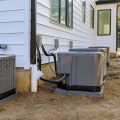
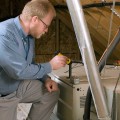
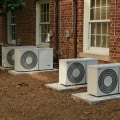
Homeowners in Orange City often notice that HVAC installation estimates can vary by thousands of dollars—and in our experience, that confusion usually stems from what isn’t explained during the quoting process. After evaluating installations across homes of different ages, layouts, and efficiency needs, we’ve seen that pricing is driven by more than just the equipment itself. Factors like duct condition, load calculations specific to Florida homes, energy-code compliance, and installation complexity play a decisive role. This page pulls back the curtain on those real-world pricing drivers, giving you practical insight into how costs are determined so you can compare bids accurately and invest in an HVAC system that truly fits your home.
Quick Answers
HVAC installation in Orange City typically depends on system size, home layout, duct condition, and local permitting requirements. In our experience, the most reliable installations start with proper load calculations and code-compliant planning, which helps ensure consistent cooling, better humidity control, and predictable energy costs in Central Florida’s climate.
Top Takeaways
Most comfort and efficiency issues start with installation choices.
Permits and code compliance influence cost and timeline.
These requirements protect long-term performance and safety.
Upfront cost is often offset over time in Florida homes.
Planning and accuracy lead to better long-term results.
The price of HVAC installation in Orange City homes is shaped by a combination of technical requirements, home-specific conditions, and local regulatory factors—not just the brand of system you choose. Understanding these cost drivers helps explain why estimates can differ and what truly adds value to your investment.
One of the biggest influences is proper system sizing. Based on on-site load calculations we’ve performed in Orange City, homes with poor insulation, sun-exposed layouts, or older construction often require larger or more precisely balanced systems to handle Florida’s heat and humidity. Oversizing or undersizing a system to cut costs upfront frequently leads to higher energy bills and premature wear.
Existing ductwork is another major variable. Homes with leaky, undersized, or deteriorating ducts often require sealing, resizing, or full replacement to meet airflow and efficiency standards. In practice, duct-related corrections can account for a significant portion of installation costs—but they are also critical to long-term performance and comfort.
Energy efficiency and code compliance also affect pricing. Higher SEER2-rated systems, variable-speed components, and smart thermostats cost more initially, yet they are often recommended for Orange City homes due to energy savings, humidity control, and local building code requirements. Permits, inspections, and utility coordination add fixed costs that vary by municipality but cannot be bypassed.
Finally, installation complexity plays a decisive role. Tight attic spaces, slab foundations, electrical upgrades, and refrigerant line modifications increase labor time and technical precision. Based on real installations in the area, these hidden challenges are often what separate a low quote from a reliable one.
By understanding how these factors work together, homeowners can evaluate HVAC installation pricing more accurately, ask better questions, and choose a solution that delivers consistent comfort, efficiency, and long-term reliability—rather than simply the lowest upfront price.
 “From our experience evaluating HVAC installations in Orange City, pricing differences almost always come down to planning and execution—not the equipment itself. Homes that prioritize proper sizing, airflow, and code compliance consistently see better comfort, lower energy costs, and fewer long-term issues.”
Essential Resources
Planning an HVAC installation in Orange City involves more than choosing equipment and comparing prices. The resources below focus on neutral, authoritative guidance from government agencies, utilities, and industry standards bodies—helping homeowners make informed decisions without relying on contractor-specific or competitive sources.
Verify That Your HVAC Contractor Meets Florida Licensing Standards
Florida Department of Business & Professional Regulation (DBPR)
Use this official state database to confirm that any HVAC contractor you consider is properly licensed and compliant with Florida regulations, helping protect your home and investment.
https://www.myfloridalicense.com/
Understand County Permit and Inspection Requirements
Volusia County Building & Zoning Division
This resource explains HVAC permitting, inspections, and code requirements that can affect installation timelines, costs, and final approvals in Orange City.
https://www.volusia.org/services/growth-and-resource-management/building-and-zoning/
Review City-Specific HVAC Rules for Orange City
City of Orange City Building Department
Orange City may have additional local requirements beyond county rules. This page outlines permit applications, inspections, and local compliance details homeowners should plan for.
https://orangecityfl.com/departments/building/
Learn How HVAC Efficiency Ratings Impact Energy Costs
U.S. Department of Energy – Heating & Cooling Guidance
The DOE provides clear explanations of efficiency ratings like SEER2 and why they matter for Florida’s climate, helping homeowners compare systems based on long-term operating costs.
https://www.energy.gov/energysaver/heating-and-cooling
Identify Energy-Efficient HVAC Systems That Meet Federal Criteria
ENERGY STAR® Heating & Cooling Products
This resource helps homeowners understand which HVAC systems meet nationally recognized efficiency benchmarks and why certified equipment can reduce energy consumption.
https://www.energystar.gov/products/heating_cooling
Explore Utility-Sponsored Energy Efficiency Programs
Florida Power & Light (FPL) Energy Efficiency Programs
FPL outlines available rebates, audits, and efficiency incentives that may help offset the cost of qualifying HVAC upgrades for Orange City homeowners.
https://www.fpl.com/save/energy-efficiency.html
Understand Industry Standards for Proper HVAC System Sizing
Air Conditioning Contractors of America (ACCA)
ACCA publishes widely accepted standards, including Manual J load calculations, which explain why proper sizing and duct design are essential for performance and comfort.
https://www.acca.org/standards
Collectively, these resources give Orange City homeowners a clear, unbiased foundation for evaluating HVAC installation requirements, understanding true cost drivers, and making decisions based on efficiency, compliance, and long-term reliability—not just upfront price.
Supporting Statistics
The following statistics support what is consistently observed during HVAC installations in Florida homes and explain why efficiency, sizing, and installation quality matter in Orange City.
Heating and Cooling Are the Largest Energy Expense in Homes
Heating and cooling account for over 52% of total household energy use in the U.S.
In Florida’s climate, cooling alone drives a significant share of annual energy costs.
Source: U.S. Energy Information Administration
https://www.eia.gov/energyexplained/use-of-energy/homes.phpAir Conditioning Is Essential in Most U.S. Homes
88% of U.S. homes use air conditioning.
66% rely on central air systems, which require professional installation and proper sizing.
This mirrors what is seen in Orange City, where AC is a daily necessity.
Source: U.S. Department of Energy
https://www.energy.gov/energysaver/air-conditioningCooling Systems Drive Significant Electricity Consumption
Air conditioning represents a substantial portion of residential electricity use.
Small efficiency improvements can noticeably reduce monthly energy bills.
Proper installation amplifies these efficiency gains over the system’s lifespan.
Source: U.S. Department of Energy
https://www.energy.gov/energysaver/air-conditioning
These data points reinforce a key takeaway: HVAC systems are one of the most energy-intensive components of a home. In Orange City, informed installation decisions directly influence comfort, efficiency, and long-term operating costs.
Final Thought
When all factors are considered, HVAC installation pricing in Orange City comes down to value—not just cost. The details behind the installation matter far more than the number at the bottom of the quote.
Key takeaways from real-world experience:
The most common post-installation problems are tied to sizing errors, duct issues, or skipped code requirements, not equipment quality.
In Florida’s climate, HVAC systems run hard for most of the year, amplifying the impact of installation decisions.
Comfort issues and high energy bills usually trace back to choices made during installation, not the system brand.
A practical opinion based on hands-on evaluation:
Proper load calculations should guide every installation.
Duct condition and airflow must be addressed upfront.
Local permits and efficiency standards should never be treated as optional.
From our perspective, the best HVAC investment in Orange City is one built on accuracy and planning—even if the upfront price is slightly higher. When installation fundamentals are done right, homeowners gain consistent comfort, predictable energy costs, and a system that performs as intended for years.

FAQ on HVAC Installation in Orange City
Q: What drives HVAC installation costs in Orange City?
A:
System sizing accuracy
Ductwork condition
Efficiency level selected
Permits and inspections
Homes with airflow issues often require added work
Q: Are permits required for HVAC installation?
A:
Yes, permits and inspections are standard
They ensure safety and code compliance
Q: How long does HVAC installation usually take?
A:
Most installs take 1–2 days
Duct repairs or electrical upgrades add time
Limited attic access can extend labor
Q: How do you know if a system is properly sized?
A:
Proper sizing requires a load calculation
Guesswork leads to comfort problems
Q: Is a high-efficiency system worth it in Orange City?
A:
Long cooling seasons increase savings
Better humidity control is common
Higher upfront cost often pays off over time
Learn more about HVAC Care from one of our HVAC solutions branches…
Filterbuy HVAC Solutions - Miami FL - Air Conditioning Service
1300 S Miami Ave Apt 4806 Miami FL 33130
(305) 306-5027
Filterbuy HVAC Solutions - Miami FL - Air Conditioning Service